%201.svg)


%201.svg)




In the lexicon of Western masculinity, few words are as revered as Grit. It’s a term that conjures images of stoic cowboys, determined soldiers, and resolute fathers facing down hardship. Yet, the popular perception of grit has often been warped, conflated with a brittle and aggressive "hardness." It has been mistaken for the loud bluster of dominance, the clenched jaw of emotional suppression, or the readiness for a fight.
This is a profound misunderstanding of a vital human quality. True grit isn't about being the toughest shell on the beach; it’s about being the oyster that transforms an irritating grain of sand into a pearl. It is not a performance of strength, but a quiet, internal fortitude to endure pressure, protect others, and consistently forge a path forward, no matter the obstacle.
The Myth of Hardness vs. The Reality of Resilience
For generations, Western men have been socialized to equate strength with an unyielding exterior, a refusal to show pain, fear, or vulnerability. This hardness is fundamentally performative. It’s a shield that is often brittle and prone to shattering under sustained pressure. A man focused on hardness fears being perceived as weak, and so he may react to challenges with aggression or emotional withdrawal, seeing compromise as defeat and vulnerability as a fatal flaw.
Grit, in its true psychological sense, is entirely different. Researcher Angela Duckworth, in her groundbreaking work, defines grit as the combination of “passion and perseverance toward long-term goals”. This has nothing to do with dominance or aggression, though they may be warranted to accomplish certain goals; it is the quiet, stubborn refusal to give up.
Consider the oyster. The grain of sand is an intruder, an agitator, a source of constant irritation. The oyster doesn't crush the sand or violently expel it. Instead, it patiently, painstakingly coats the irritant with layers of nacre, the iridescent substance that eventually forms a pearl. The challenge isn't destroyed; it's transformed into something of value and strength. This is the essence of true grit. It is not about avoiding or breaking under stress, but about having the internal mechanisms to adapt, endure, and create a positive outcome from a negative situation.
Strength in Service - Grit as a Protective Shield
A core component of authentic grit in masculinity is its orientation toward protection. The flawed model of hardness suggests that strength is a tool for self-advancement and dominance, a sword to be wielded against others. True grit, however, manifests as a shield. It is the capacity to absorb pressure and adversity so that others, family, community, your team, don’t have to.
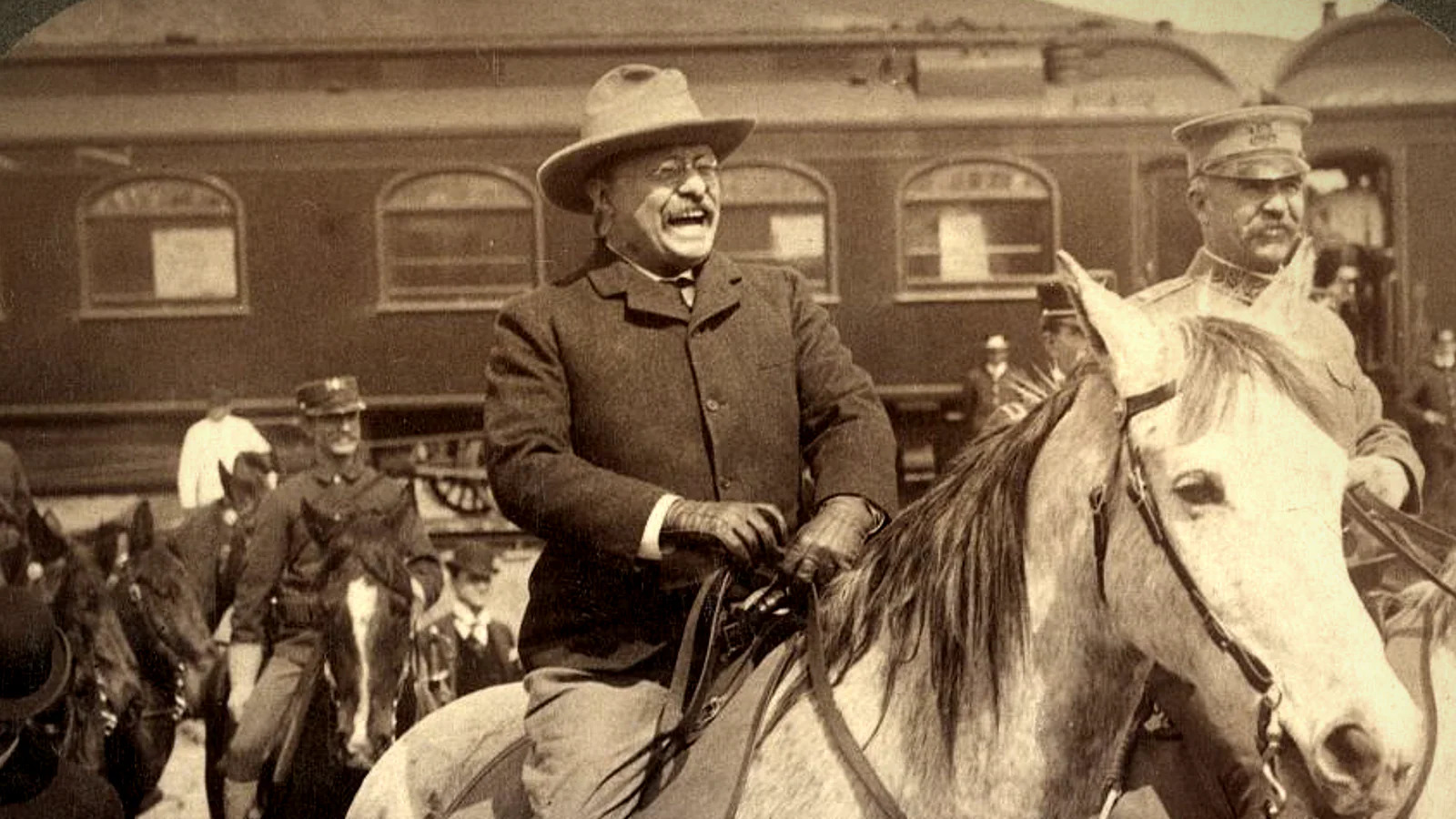
This is the grit of the father who works a second job not with loud complaints, but with quiet resolve to provide for his children. It's the grit of the firefighter walking into a burning building, his fear managed by an overwhelming sense of duty to protect the lives inside. It’s the grit of a leader who takes responsibility for a team's failure, shielding his subordinates from blame while internally resolving to fix the problem. Theodore Roosevelt himself would ride into danger without hesitation to save his men at great personal risk; Teddy may have been a boisterous man, but no one can call him a coward.
This protective strength requires immense inner resolve. It means putting the welfare of the collective before the comfort of the self. It is not loud, boastful, or aggressive. In fact, it is often quiet, almost invisible, visible only in the stability and safety felt by those under its care. This brand of grit understands that the ultimate measure of a man’s strength is not how many people he can command, but how many he can reliably protect and support.
The Forge of Progress - Moving Forward Through Failure
The final, crucial element of grit is its role as the engine of progress. Life is a series of challenges and, inevitably, failures. A man defined by hardness may see failure as a definitive judgment on his worth, leading to bitterness or abandonment of the goal. A man with grit, however, sees failure as an education.
To forge ahead is to understand that setbacks are not the end of the road, but simply terrain to be navigated. This requires a true kind of courage; not the absence of fear, but the decision to act in spite of it. It is the entrepreneur whose first business fails, but who pores over his mistakes to build a successful second one. It is the student who fails an exam, but who seeks tutoring and doubles his study time to pass the next. It is the man recovering from injury who painstakingly adheres to his physical therapy, celebrating small gains on the long road back to health.
This forward momentum is not born from mindless optimism, but from a deep-seated belief in one's ability to endure the process. It is the faith that consistent, disciplined effort, applied over time, will eventually overcome even the most daunting obstacles. In a world that constantly seeks to tell men what to be, where louder and louder voices try and sell us a marketing department’s best ideas of what ‘masculinity’ is, we cannot accept anyone’s definition but our own. Is grit as a concept still valued? Ask that quiet, internal voice that, after being knocked down, simply says, "Again."