%201.svg)


%201.svg)




The establishment of the Department of Government Efficiency (DOGE), an initiative born from an executive order on January 20, 2025, has sent shockwaves through the federal bureaucracy. Its stated mission is to aggressively cut waste, modernize technology, and maximize taxpayer value. However, as this powerful entity turns its focus to the Department of Veterans Affairs, a contentious debate has erupted over whether a drive for fiscal efficiency is colliding with the nation’s solemn duty to care for its veterans.
The core of the conflict lies in two parts; the use of uncleared children to rummage unchecked through government systems, and DOGE’s methods, which have included workforce reductions and the mass cancellation of federal contracts. While the administration champions these actions as necessary fat-trimming, critics and internal VA sources warn of a chaotic process that is jeopardizing essential services. This bundle of concerns is in no way helped by the admission of DOGE ‘officials’ themselves stating there was actually very little fraud waste or abuse to be found.
The VA, under Secretary Doug Collins, has publicly stated its cooperation with the new initiative. In a video address to veterans, Collins sought to quell fears, stating, “I’m happy to partner with them to find things we need to get rid of so we can put the money where it belongs back with our Veterans.” He asserted that the goal is to improve, not cut, core services by redirecting funds from administrative overhead. “In the old days, way back in 2024, discussions in Congress about the need to reform VA were often just a thinly veiled request for more employees," Collins stated before a House committee. "But the Department's history shows that adding more employees to the system doesn't automatically mean better results."
Despite these assurances, reports from the front lines and watchdog groups paint a different picture. A ProPublica investigation revealed that DOGE used a hastily developed AI tool to review and flag VA contracts for termination. The tool’s creator, a former DOGE staffer, admitted its fallibility, stating, “I'm sure mistakes were made. Mistakes are always made. I would never recommend someone run my code and do what it says.”
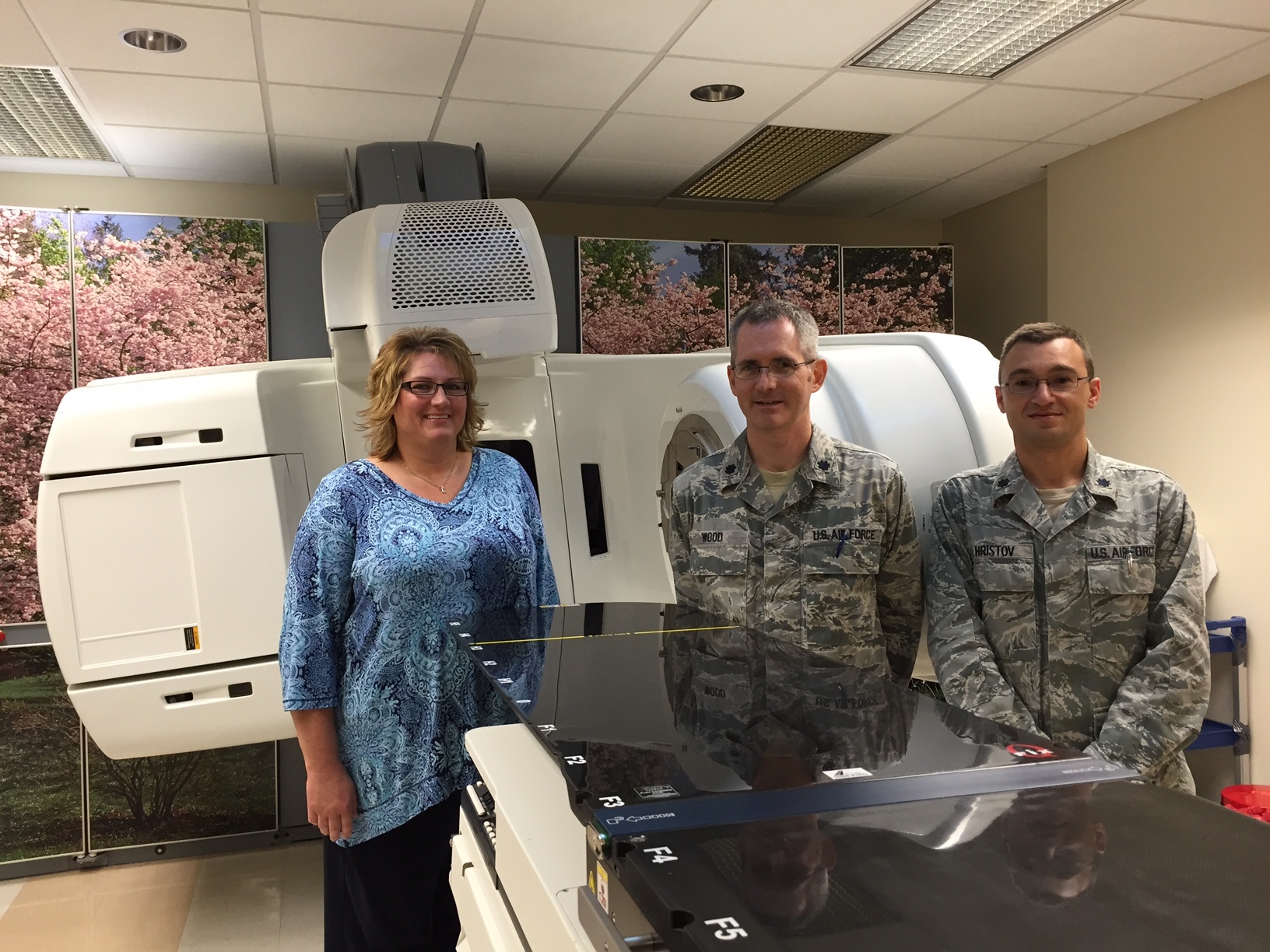
The fallout from these cancellations has been tangible. According to internal VA emails reported by Truthout, doctors warned that sweeping cuts were causing “severe and immediate impacts,” including to “life-saving cancer trials.” One email claimed that a decision to terminate the contract for the VA’s cancer registry would mean “veterans lose access to therapies.”
This has prompted sharp criticism from lawmakers, but little in the way of actual solutions. Following reports of layoffs and contract cancellations in his home state, Rep. Adam Smith (D-Wash.) issued a statement saying, “These careless choices by billionaire Elon Musk and DOGE reduce the VA's ability to serve veterans in Washington State. Veterans will face longer wait times for their cases to be addressed by staff.” His concerns were echoed by Washington state Attorney General and veteran Nick Brown, who stated, "As a veteran, I am deeply concerned by the impact of these cuts on services in Washington state.”
The controversy has led to formal calls for investigation. Senators Richard Blumenthal of Connecticut and Angus King of Maine wrote to the VA’s Inspector General, citing the “damning reporting from ProPublica” and the use of error-prone AI. In a statement, Blumenthal was blunt: “ProPublica's reporting revealed these cancelled contracts were delivering essential services to veterans and exposed the cruel and dumb AI formulas DOGE bros used to cancel contracts.”
The conflict highlights a fundamental tension. The VA Press Secretary has defended the process, stating that terminating or not renewing certain contracts “will not negatively affect veteran care, benefits or services,” as they are “wasteful, duplicative or involve services VA has the ability to perform itself.”
Yet, this assertion is being challenged not only by politicians but by government oversight analysts. The Project on Government Oversight (POGO) noted the chaotic nature of the cuts, stating, “it's easy to see potential negative impacts… there is no transparency or faith that the entire landscape and the interplay between existing internal and external services provided to veterans was considered before hitting the fired or termination button on a computer.”
For veterans and their advocates, the debate is not abstract. Rosie Torres, founder of the advocacy group Burn Pits 360, called the news of impeded cancer treatment a “crisis in the making” and “gut-wrenching.” The ultimate measure of DOGE’s success or failure at the VA will be felt not in budgetary spreadsheets, but in the quality and accessibility of care for those the nation has pledged to serve. This is not a Republican versus Democrat issue, but an ongoing erosion of the promise America made to her men and women in uniform, treating them as an inconvenient line item on an expense report rather than the nervous system of the most powerful military organization in human history. How long will that nervous system last under these crumbling conditions?