
%201.svg)


%201.svg)


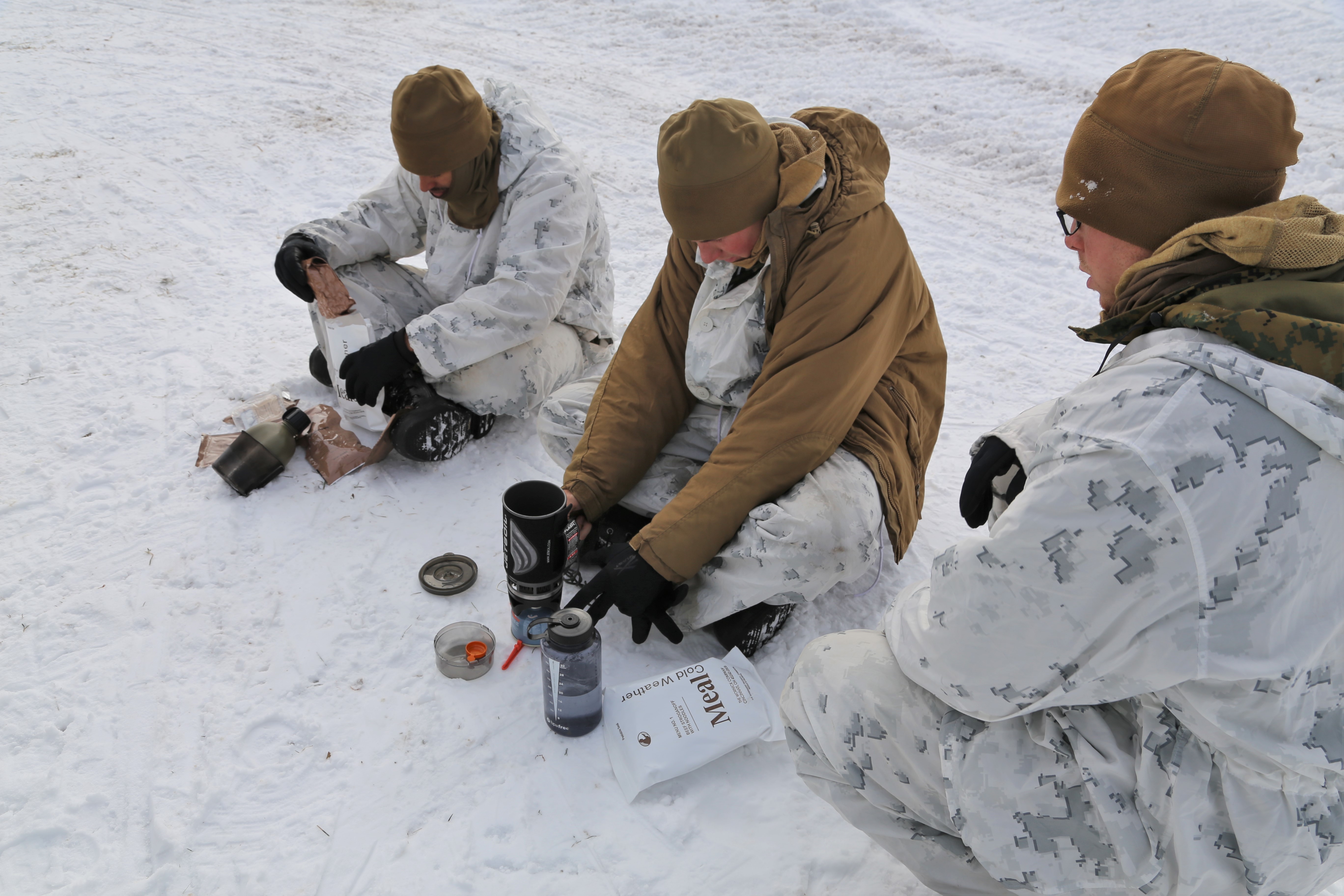


If you’ve ever found yourself shivering in a frozen fighting hole, you learned the hard-won principles of staying warm from Army or Marine Corps doctrine. Many of us at one time or another learned the acronym COLD (Keep it Clean, avoid Overdressing, wear it Loose in Layers, and stay Dry). The principles were sound, but the gear... well, it was issued. It was heavy, bulky, and often designed for "general-purpose" survival rather than comfort.
The good news is that civilians have an additional option on the skill tree; you can buy your way to comfort. The cold is the same, but the kit has gotten infinitely better. Using those same military principles, here are three ways to upgrade your winter gear to stay warm, light, and dry in the great outdoors.
The Base Layer Revolution - Merino Wool
The Military Method - We were issued silk-weight (or cotton-poly blend) base layers. The "silks" were thin, but the waffle-patterned grid fleece (part of the ECWCS or PCU) was the real workhorse. The main problem? Sweat. Once you started moving, you violated the "Overheating" and "Dry" rules simultaneously. That polypro would get damp and stay damp, chilling you to the bone the second you stopped moving.
The Civilian Upgrade - Merino Wool. This isn't your grandpa's itchy wool sweater. Modern merino wool is soft, high-performance, and feels like magic. Its chief advantages are moisture wicking, pulling sweat away from your skin, and insulating when wet. Unlike cotton or even some synthetics, merino retains a significant amount of its insulating properties even when damp. As an added bonus, this fabric happens to be antimicrobial, so you can wear a merino base layer for three straight days, and it won't smell like a field-ex. For a weekend trip, this is a game-changer.
A high-quality 250-weight merino base layer (top and bottom) is the single best foundation you can build for any cold-weather system.
Active Insulation - The Mid-Layer You Never Take Off
The Military Method - Layering meant constant adjustment. You'd start cold, put on your fleece, start moving, and immediately overheat. You’d stop, take the fleece off, and get blasted with cold wind. Or you’d just put on the giant "marshmallow suit" (the Level 7) and accept that you were now immobile.
The Civilian Upgrade - Active Insulation Jackets. This is the biggest innovation in outdoor gear in the last decade. Brands like Patagonia (Nano-Air) and Arc'teryx (Atom) created jackets with synthetic-fill insulation that are also highly breathable. This is the perfect "stop-and-go" piece; you put it on and leave it on. When you're hiking, it vents excess heat and moisture, so you don't "wet out" your base layer, and when you stop for a break, the insulation traps your body heat. It effectively replaces that bulky fleece, giving you the warmth of a light puffy jacket but the breathability of a high-tech fleece. It’s the versatile mid-layer we all wished we had.
The 3-Pound Sleep System - Ditch the 10-Pound Tank
The Military Method - The Modular Sleep System (MSS); the green "patrol" bag, the black "intermediate" bag, and the GORE-TEX bivy. Combined, it was a 10-pound, indestructible cocoon that took up half your pack. And that "waterproof" bivy? It often trapped just as much condensation inside as it kept the rain out.
The Civilian Upgrade - A down quilt and an insulated pad. This combo is the key to an ultralight, warm, and dry night's sleep. Start with a high-quality, 800-fill-power down quilt (or "top bag"), which provides the same 0-degree warmth as the entire MSS for under two pounds and packs down to the size of a football. We often forget that you lose most of your heat to the ground, so a modern, high-R-value insulated sleeping pad (like a Therm-a-Rest NeoAir) is the second half of the equation. It's light, packable, and keeps the frozen ground from sucking the life out of you like the girl you married too quickly. This two-part system is not only 7-8 pounds lighter, but it's also more comfortable and manages moisture better than the old-school bivy.
The military taught us how to survive the cold, but let’s face the reality with open eyes; civilian tech lets us do it comfortably. This winter, which is already colder than recent years, make sure to take both sides of the coin in mind when setting up your outdoor kit, and stay warm out there.


.png)


