%201.svg)


%201.svg)


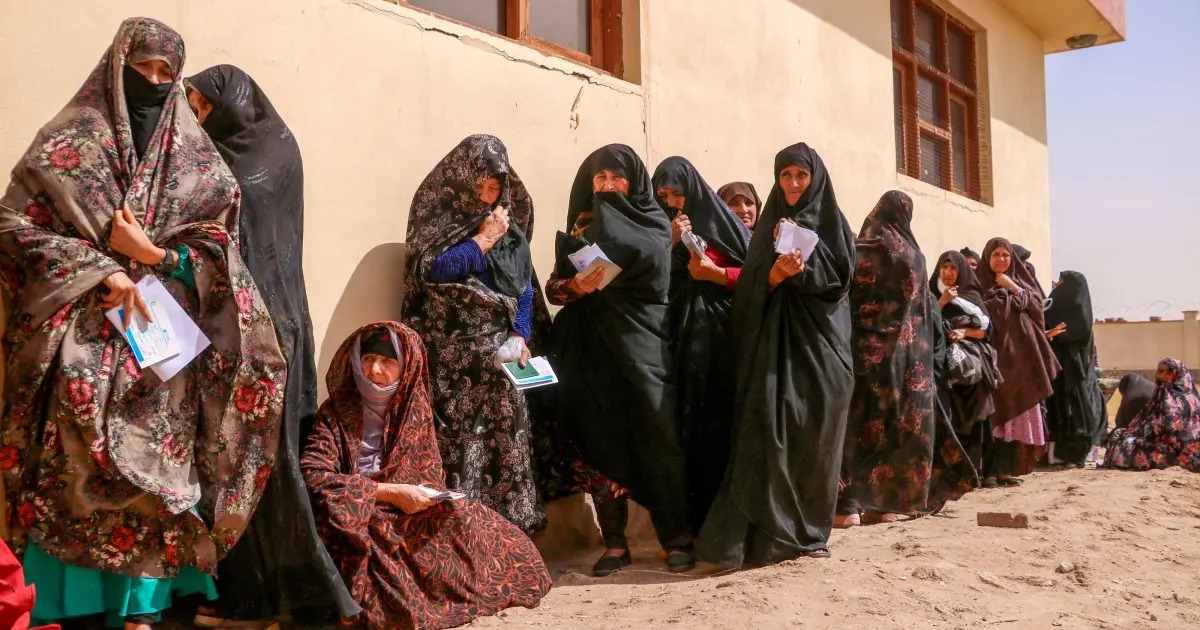


Long after a botched war and a panicked withdrawal negotiated between the US and a terrorist organization, the situation in Afghanistan has unsurprisingly deteriorated for a wide swath of their population. Nearly four years after the U.S. withdrawal and the subsequent Taliban takeover in 2021, the situation for women and girls in Afghanistan has devolved into a catastrophic human rights crisis, one the United Nations has labeled a systematic campaign of "gender persecution" that may amount to a crime against humanity. Through a torrent of repressive decrees, the de facto authorities have effectively erased women from public life, creating what many global experts now describe as a state of "gender apartheid."
Since seizing power, the Taliban has issued more than 80 edicts that directly target and restrict the rights of women and girls, dismantling the legal and social frameworks that once offered them protection and opportunity. A series of damning reports from the United Nations Assistance Mission in Afghanistan and the UN Human Rights Council have chronicled this methodical degradation of rights. The most devastating of these measures includes a complete ban on girls' education beyond the sixth grade, making Afghanistan the only country in the world to deny girls a secondary and university education.
This educational apartheid is compounded by severe restrictions on employment. Women have been barred from most professions, including working for non-governmental organizations (NGOs) and the United Nations itself. They have been systematically dismissed from public sector jobs, and businesses run by women, such as beauty salons, have been forcibly closed, eliminating one of the few remaining female-only economic spaces.
The control extends to every facet of a woman’s existence. Freedom of movement is heavily curtailed, with mandates requiring women to be accompanied by a mahram (a male guardian) for long-distance travel. In daily life, women are barred from public parks, gyms, and bathhouses. A strictly enforced dress code, policed by the Ministry for the Propagation of Virtue and the Prevention of Vice, compels women to wear the hijab, with the full-body burqa designated as the ideal. Women who are deemed to have "improper hijab" face harassment and arrest.
The United Nations has been unequivocal in its condemnation of these actions. Richard Bennett, the UN Special Rapporteur on the situation of human rights in Afghanistan, has been a particularly strong voice, documenting the depth of the crisis. In a 2024 report, his assessment was stark:
"The institutionalized system of gender oppression and the harmful practices and context of impunity that exist in Afghanistan are a cause of great concern... The Taliban’s system of gender-based discrimination may amount to gender apartheid, as it appears to be a widespread and systematic attack on the entire female population of the country."
This systematic oppression has not only stripped women of their fundamental rights but has also crippled the nation's economy and shredded its social fabric. With half the population effectively imprisoned within their homes, prospects for peace, recovery, and stability in Afghanistan remain grim, as the international community continues to grapple with how to address what has become the most severe women's rights crisis in the world.