%201.svg)


%201.svg)


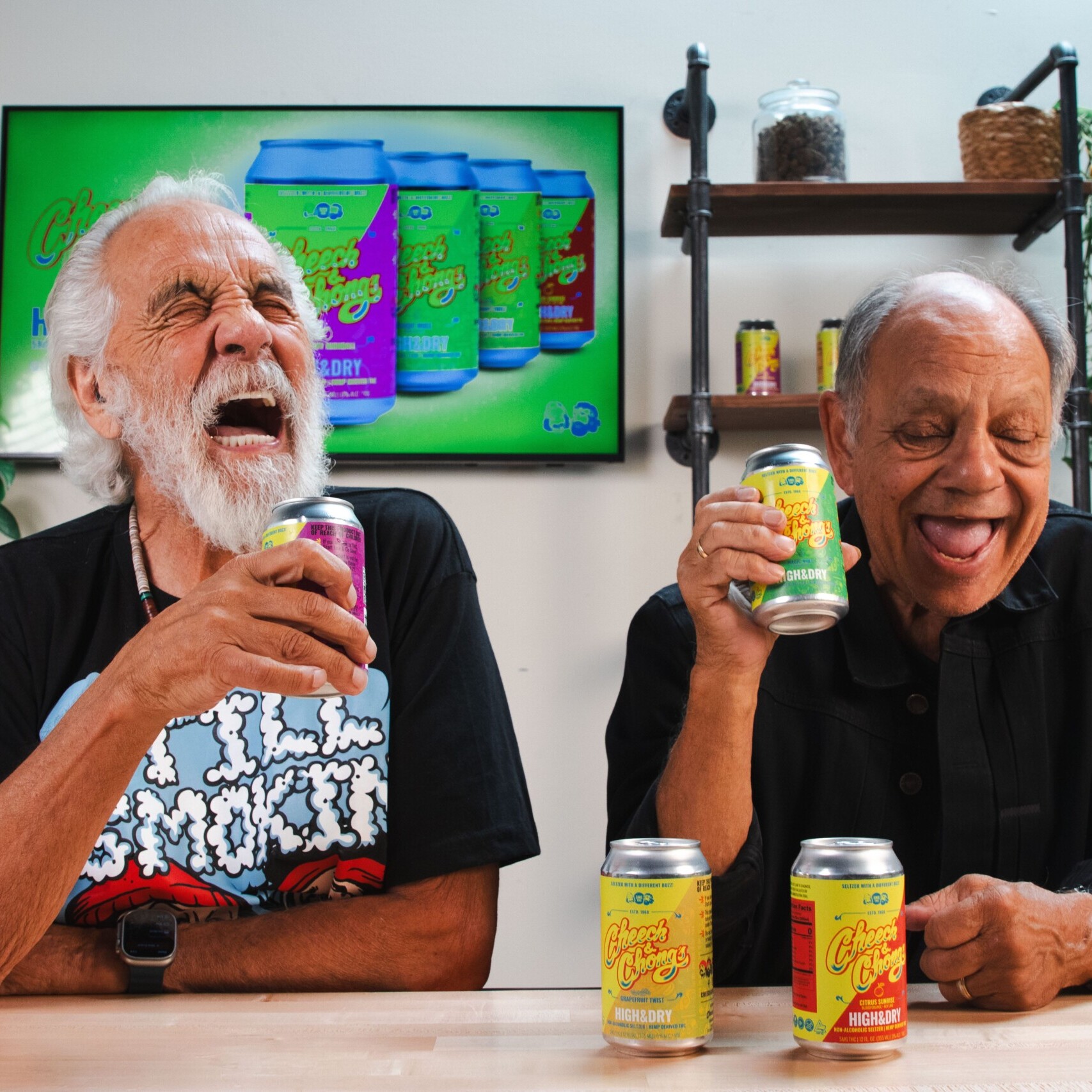


A century after the United States spectacularly failed to enforce a nationwide ban on alcohol, the nation finds itself in a similar, yet arguably more paradoxical, position with cannabis. Despite federal law classifying marijuana as a dangerous substance with no medical value, a profound cultural and demographic shift is underway. Once it became clear that the war on drugs was less about keeping dangerous substances like methamphetamines from harming Americans than it was about controlling people, the built in desire to be free from government control kicked in. Americans now use cannabis daily more than they drink alcohol daily, a clear signal that the policy of prohibition is not only ineffective but increasingly irrelevant to modern life.
This shifting preference is rooted in a growing public perception of relative harm. A March 2025 YouGov survey found that by a nearly three-to-one margin, Americans believe alcohol is more damaging to a person's health than cannabis. This view is substantiated by scientific data; a study in the Journal of Psychopharmacology concluded that alcohol is "the most harmful drug overall," finding it to be five times as harmful to others as cannabis. As public awareness grows, the logic of a legal, regulated market for alcohol alongside a federally prohibited one for cannabis begins to collapse.
The most telling statistic illustrating this shift comes from a landmark 2024 study published in the journal Addiction. It found that in 2022, for the first time on record, the number of daily or near-daily cannabis users (17.7 million) surpassed the number of daily or near-daily drinkers (14.7 million). This trend demonstrates that consumer demand is not dictated by legality but by evolving social norms and preferences, much like the demand for alcohol persisted and grew throughout the 1920s.
The lessons from the era of Prohibition are stark. That "noble experiment" did not eliminate drinking; instead, it fueled the rise of organized crime, fostered widespread corruption, and led to the consumption of dangerous, unregulated products. Today, cannabis prohibition produces similar outcomes. The illicit market continues to thrive in the shadows, while legal states are reaping billions in economic benefits. Since 2014, states with legal adult-use cannabis have generated over $20 billion in tax revenue, funds used for education, public health, and infrastructure - revenue that is completely lost under a system of prohibition.
Furthermore, the social cost of enforcing the cannabis ban remains immense. In 2023 alone, there were over 217,000 arrests for marijuana-related violations, with the vast majority for simple possession, according to the FBI. This enforcement continues to divert law enforcement resources and saddles citizens with criminal records for behavior that a growing majority of Americans, and the laws of 24 states, consider legitimate.
As cannabis use overtakes daily drinking, it's clear the federal government’s stance is on the wrong side of science, public opinion, and history. Just as with alcohol a century ago, the attempt to legislate away demand has failed. The question is no longer if prohibition is working, but how much longer will the nation sustain the costs of a policy that its own citizens are so clearly leaving behind.