%201.svg)


%201.svg)




Every September 17, the United States observes Constitution Day, commemorating the 1787 signing of the document that established the nation’s framework of government. For much of its history, this day has been a quiet, academic affair, a moment for history lessons and civic reflection. However, the crucible of recent American history has transformed Constitution Day from a simple historical observance into a matter of urgent, contemporary relevance. In an era defined by deep polarization, challenges to institutional norms, and fundamental debates about the nature of American democracy, looking back at our founding document has become an essential act of looking forward.
The last several years have served as a profound stress test for one of the Constitution’s most celebrated features: the separation of powers. The intricate system of checks and balances, designed by the Framers to prevent the concentration of authority, has been the subject of intense, real-world conflict. Debates over the scope of executive orders, the limits of presidential power, and the reach of congressional oversight have moved from the theoretical to the tangible. The resulting friction between the executive, legislative, and judicial branches has provided a vivid illustration of the Framers’ vision; a government of shared power that requires negotiation and compromise. This period has reminded Americans that this delicate balance is not self-sustaining; it requires vigilance and a commitment to the institutional roles outlined in the Constitution.
Simultaneously, the First Amendment’s guarantees of free speech, press, and assembly have been re-examined through the lens of a rapidly changing technological and social landscape. The rise of social media has created a new digital public square, raising complex questions about content moderation, the spread of misinformation, and the power of private entities to regulate speech. Furthermore, the COVID-19 pandemic sparked a national conversation about the boundaries of individual liberty in the face of a public health crisis, forcing a difficult dialogue about how to balance personal freedoms with the collective good. These are not new questions, but their modern iterations demand a renewed and sophisticated understanding of the First Amendment's principles.
The role of the judiciary, particularly the Supreme Court, has also been thrust into the national spotlight as never before. Contentious confirmation battles and a series of landmark decisions on divisive issues have elevated the importance of constitutional interpretation in the public consciousness. Arcane legal philosophies, such as originalism versus the concept of a "living Constitution," have become subjects of mainstream debate. This heightened focus has underscored the profound and direct impact that judicial appointments and rulings have on the lives of everyday Americans, from healthcare and voting rights to personal privacy. The judiciary is no longer seen as a distant, abstract branch of government, but as a central and powerful force in the ongoing story of America.
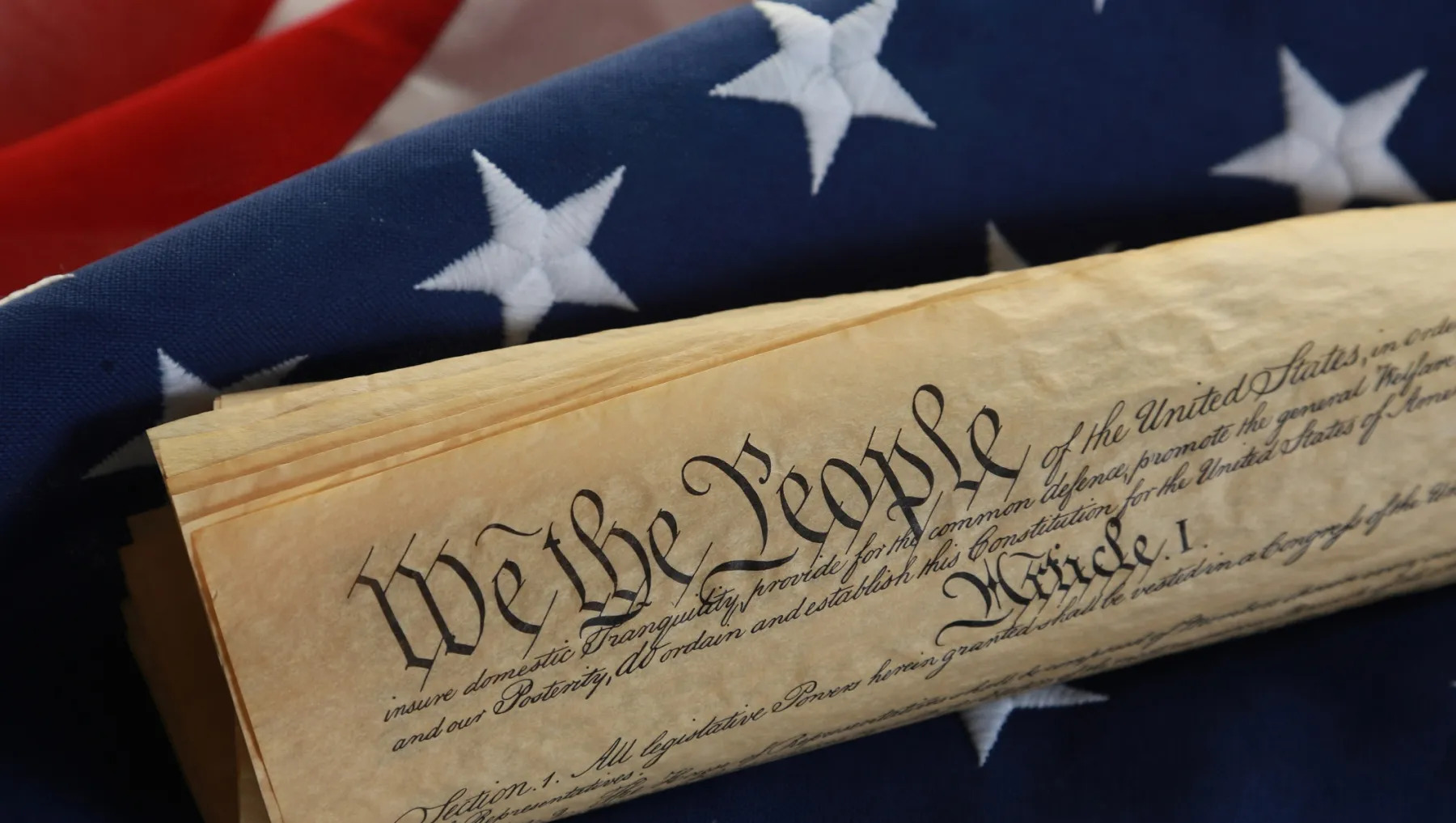
Perhaps most fundamentally, recent years have seen vigorous debates over the very mechanics of our democracy. Issues of voting rights, election integrity, and the norms governing the peaceful transfer of power have become central to the national discourse. These are not merely partisan squabbles; they are profound constitutional questions that go to the heart of the principle of self-government articulated in the document’s famous opening words, "We the People."
In this context, Constitution Day is more than an anniversary. It is a necessary and vital call to civic engagement, not just shouting your opinions on the internet but tangibly contributing to the future of our nation. The challenges of our time have made it clear that the Constitution is not a static relic, but a dynamic framework whose endurance depends on the active and informed participation of its citizens. It requires us to understand our rights, but also our responsibilities. As we navigate a complex and often contentious future, the continued strength of American democracy will be determined not by the parchment in the National Archives, but by our collective commitment to the principles it contains.