%201.svg)


%201.svg)


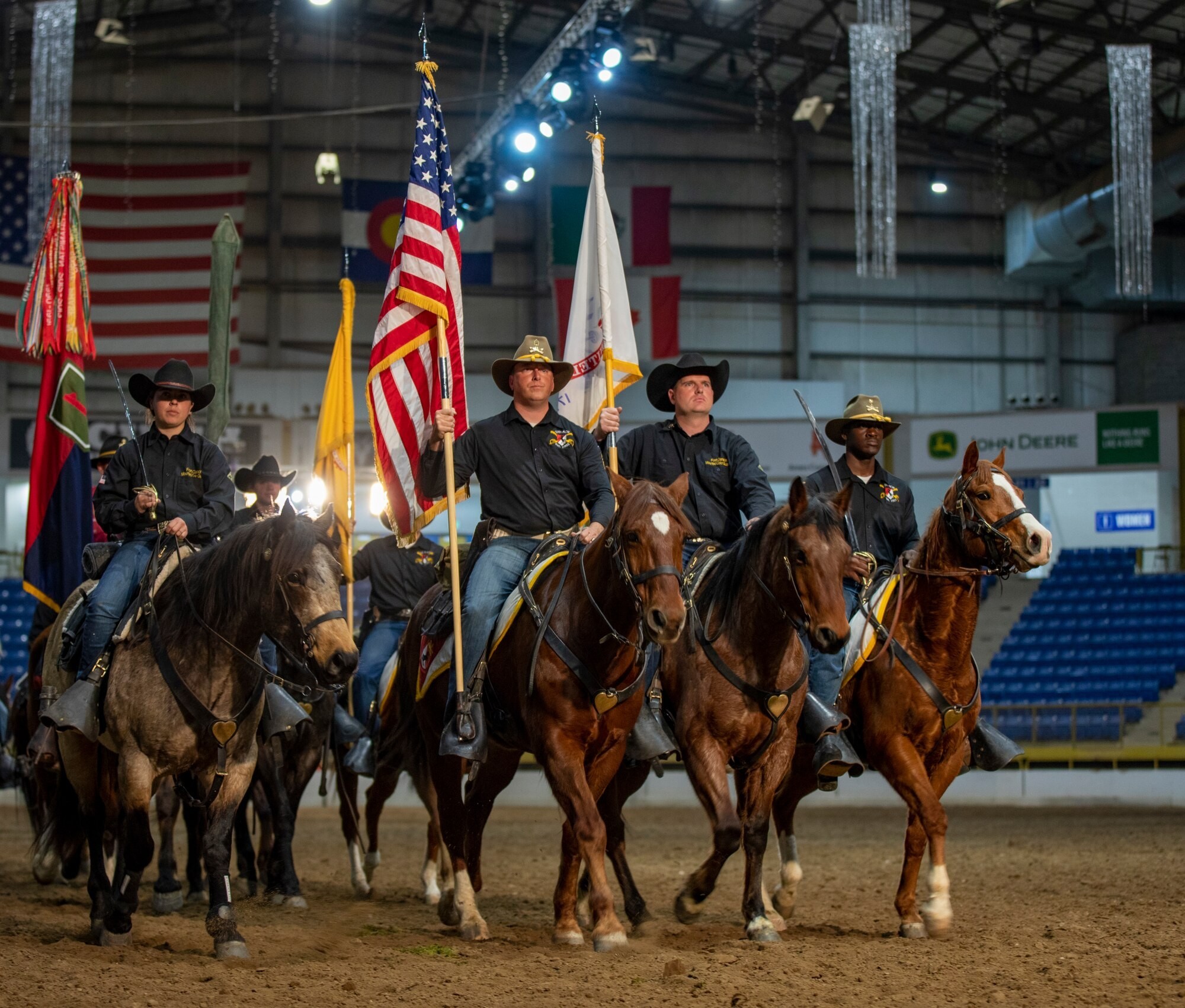


The sound of hooves will soon fade from most US Army installations as the service prepares to dismantle the majority of its ceremonial horse programs over the next year. This decision, announced in July 2025, marks a significant shift for traditions that evoke a bygone era of military history. While proponents of the move cite the need to prioritize modern warfighting capabilities and budgetary efficiency, the timing raises questions, particularly given the substantial investments made in upgrading these very programs in recent years.
The Army's decision will see the cessation of Military Working Equid (MWE) programs at five bases across the country: Fort Irwin, California; Fort Huachuca, Arizona; Fort Riley, Kansas; Fort Sill, Oklahoma; and Fort Hood, Texas. These programs, while largely ceremonial in nature, often involved mounted patrols, demonstrations, and community outreach initiatives, providing a tangible link to the Army's storied past. Approximately 141 horses will be adopted out or donated to suitable owners and organizations, a process installation commanders have been tasked with completing within a year. Notably, the Army has stated that none of the animals will be sold.
The driving force behind this decision is allegedly a reallocation of resources. The Army estimates that discontinuing these programs will save approximately $2 million annually. According to a statement released by Army spokesperson Lieutenant Colonel Maria Rodriguez, "The Army’s priority is to ensure resources are aligned with warfighting capability and readiness. This decision allows us to redirect personnel and funding towards modernization efforts critical to maintaining our competitive edge."
This emphasis on modernization is understandable in the face of evolving global threats. However, the timing of the cuts has drawn scrutiny considering the recent financial outlays directed towards enhancing these very horse programs. Notably, the horse-drawn caisson unit at Arlington National Cemetery, which will be retained alongside a similar unit at Joint Base San Antonio, Texas, underwent an $18 million program overhaul following investigations into horse mistreatment and deaths in 2022. This overhaul included significant improvements to facilities, animal care protocols, and staffing.
The decision to invest so heavily in upgrading one of the largest horse programs only to then drastically reduce the overall footprint of such units raises questions about strategic planning and resource allocation within the Army. While the Arlington Caisson unit serves a vital role in national ceremonial duties, the investments made seemed to signal a continued commitment to maintaining a broader connection to equestrian traditions within the service.
The impact of these closures will be felt by the soldiers and civilian personnel who dedicated their time and expertise to these programs. Many developed deep bonds with the horses under their care and viewed their work as an important contribution to maintaining Army heritage and fostering community relations. The loss of these programs will undoubtedly be a poignant moment for them. Ultimately, the Army's decision reflects the current administration’s approach to resource management in an era of evolving military demands and continued partisan fighting between lawmakers, leaving the echoes of hooves to resonate primarily within the solemn grounds of Arlington National Cemetery and Joint Base San Antonio.