%201.svg)


%201.svg)




Fourteen years after the attack that killed four Americans in Benghazi, one of the accused terrorists is finally in U.S. custody.
At approximately 3 a.m., Attorney General Pam Bondi announced that 58-year-old Zubayr al-Bakoush had been captured and extradited to the United States.
“Al-Bakoush will now face American justice on American soil,” Bondi stated.
Charges against al-Bakoush were first filed in a sealed complaint in 2015. Unsealed in late 2025, the indictment includes eight counts, including the murders of U.S. Ambassador Christopher Stevens and State Department employee Sean Smith. He also faces charges of attempted murder, arson, and conspiracy to provide material support to terrorists resulting in death.
Prosecutors allege that al-Bakoush surveilled the U.S. compound, attempted to break into vehicles belonging to American personnel, and participated directly in the assault. He is believed to have held a leadership role in Ansar al-Sharia, the Islamist militia that carried out the attack.
Four Americans Under Siege
When the Arab Spring reached Libya in 2011, Ambassador Chris Stevens was dispatched to Benghazi to help build relationships with emerging factions after the fall of Muammar Gaddafi. The power vacuum left behind was quickly filled by heavily armed Islamist militias, including Ansar al-Sharia.
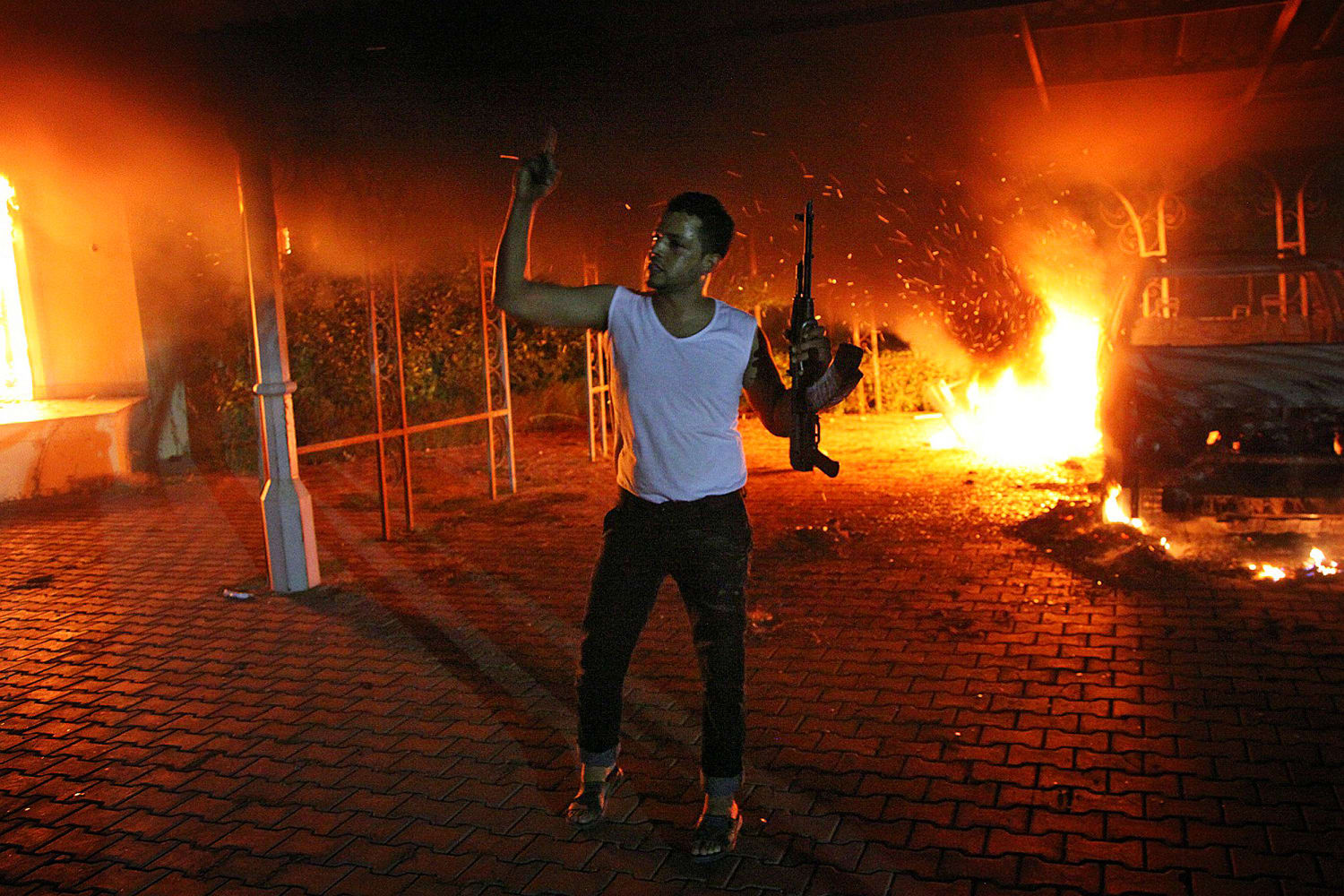
On September 11, 2012, approximately 150 militants stormed the U.S. diplomatic compound in Benghazi, setting it ablaze. They then targeted a nearby CIA annex, storming it and hitting it with mortar fire. In the early morning of September 12th, Libyan militias friendly to Americans assisted in escorting surviving Americans to the airport.
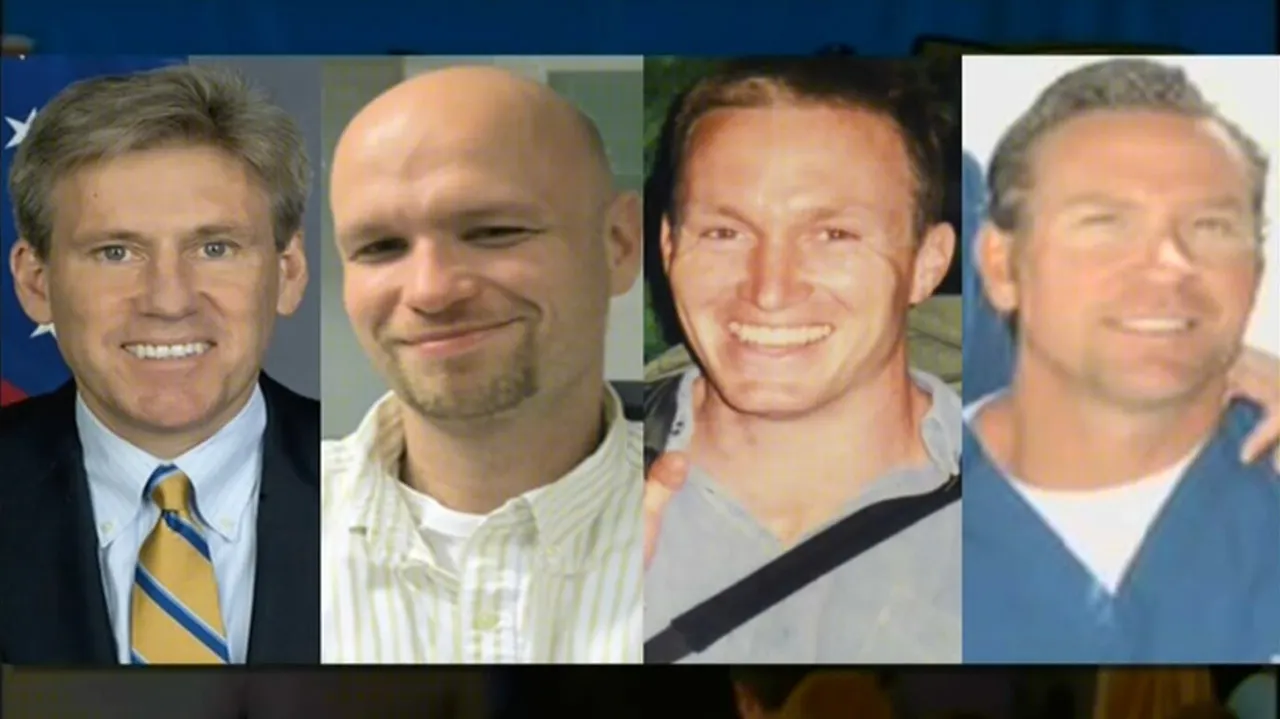
Four Americans were killed:
- Ambassador Christopher Stevens
- State Department employee Sean Smith
- Former Navy SEALs and CIA security contractors Tyrone Woods and Glen Doherty
Stevens’ death marked the first killing of a sitting U.S. ambassador in the line of duty since 1988.
Via Fox News
Warnings Ignored
The tragedy was compounded by what many view as preventable failures.
Benghazi was widely recognized as unstable and dangerous. The British had already evacuated their personnel following escalating threats. The Red Cross had been attacked. An IED had been thrown over the fence of the U.S. compound months prior. In August 2012, U.S. special security teams were withdrawn from Libya.
Despite Ambassador Stevens himself raising security concerns, requests for additional protection were denied.
The United States possessed actionable intelligence that the region was hostile, yet the compound remained minimally defended.
For many Americans, Benghazi became not just a terrorist attack, but a symbol of institutional complacency and political theater.
The Controversy That Followed
In the immediate aftermath, the Obama administration publicly suggested the attack was linked to spontaneous demonstrations over an anti-Islam video circulating online. However, internal communications later revealed that officials were aware early on that the assault was carried out by an Al-Qaeda-aligned militant group.
The discrepancy fueled years of political controversy. Critics argued that, in an election year, the administration sought to downplay the organized terrorist nature of the attack.
Further scrutiny surrounded U.S. involvement in Libya’s civil war, including covert support for rebel factions. In the chaos that followed Gaddafi’s fall, weapons flowed across the region, with some ultimately landing in jihadist hands.
Justice, Delayed but Not Denied
Al-Bakoush arrived at Joint Base Andrews in Maryland following what FBI Director Kash Patel described as a coordinated interagency operation.
“In order to execute an apprehension, a capture, and a foreign transfer of custody, no one agency alone can do it,” Patel stated, noting the assistance of international partners and special tactics teams.
The location of al-Bakoush’s capture has not been disclosed.
He becomes the third individual arrested in connection to the Benghazi attack. Authorities maintain the pursuit is far from over.
In a statement, the FBI’s New York Joint Terrorism Task Force declared:
“This bloody campaign waged unnecessary brutality against Americans and forever altered the lives of the victims’ families. May today’s significant disruption send a clear message: we will never cease our pursuit of any terrorist involved in the massacre of our nation’s citizens.”
A Long Memory
Benghazi remains a scar on the American conscience. This is not simply because four Americans died, but because the attack exposed weaknesses in diplomatic security, intelligence assessments, and political transparency.
The capture of al-Bakoush does not undo the events of September 11, 2012. It does, however, send a message that the United States does not forget its fallen.
Justice may be slow.
But it still arrives.