%201.svg)


%201.svg)


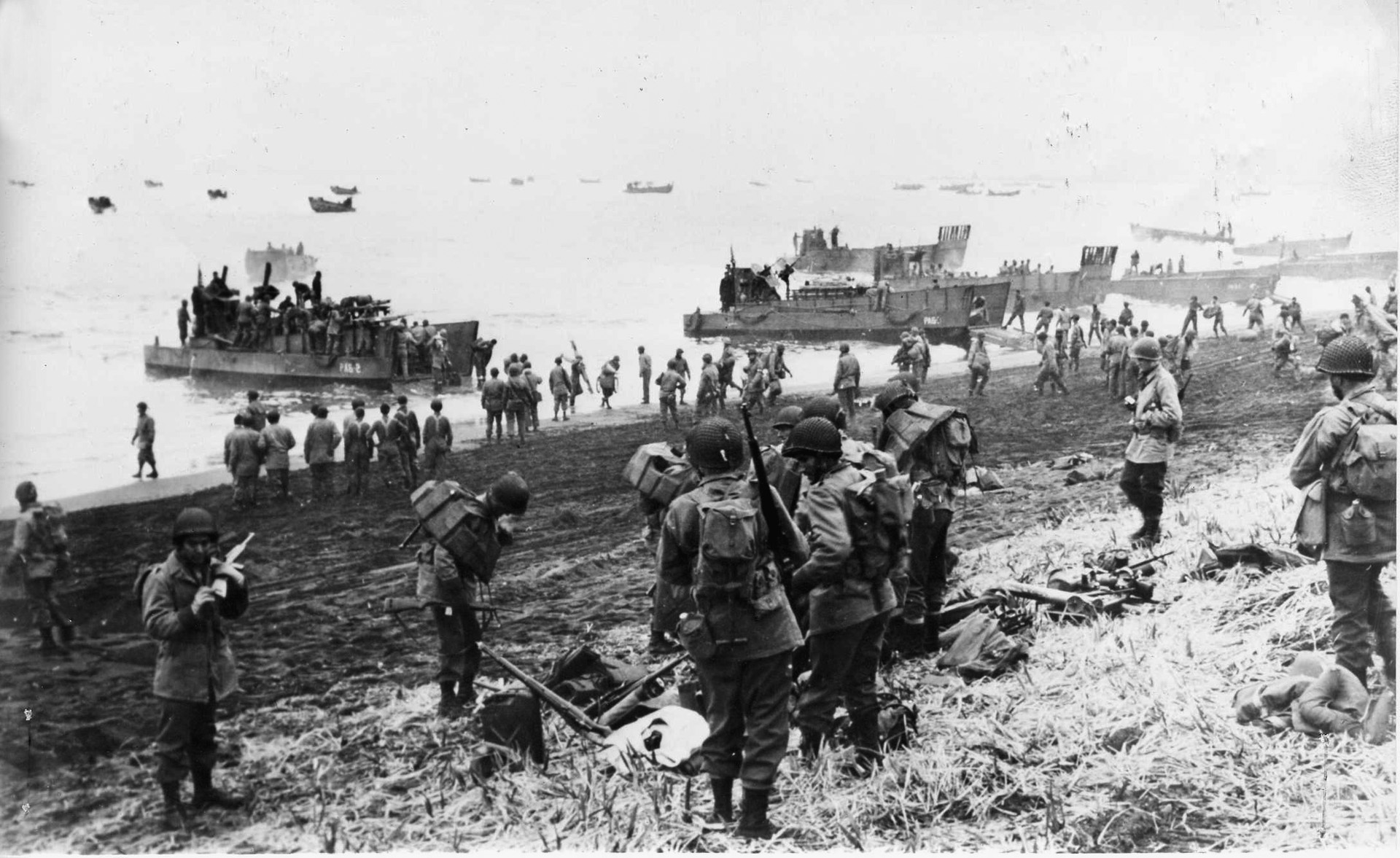


The fighting in the Pacific Theater of World War II conjures images of humid jungles, coral beaches, and scorching heat, but some of the most brutal and logistically crippling battles fought by U.S. forces took place in an environment of unimaginable frigidity: the Aleutian Islands. Dubbed the "Forgotten War," the campaign to repel the Japanese invasion of islands like Attu and Kiska subjected American troops to a cruel and relentless enemy that often proved deadlier than the Japanese themselves: the Aleutian weather. This theater was an abyss of profound misery. It didn't just test resolve, it stripped away all comfort, demanding a hardcore resilience from the American soldiers and sailors thrust into its grip.
The Unseen Enemy - Fog, Wind, and Ice
The Aleutian Islands, a chain stretching westward from the Alaskan Peninsula, possess some of the world's most unforgiving climates. Temperatures rarely soared above freezing, and the constant, chilling exposure was compounded by three environmental factors that made life hell.
“Williwaws” - Sudden, violent gusts of wind that could exceed 100 miles per hour, tearing down tents, flipping aircraft, and driving freezing rain or snow horizontally.
Dense Fog (Adak Smog) - Persistent, pea-soup fog that made air support impossible, obscured enemy positions, and turned simple movements into disorienting, exhausting ordeals.
Muskeg - The ground itself was a freezing, swampy muck made of decaying vegetation. It was nearly impossible to dig defensive positions, and trudging through the viscous terrain quickly exhausted soldiers carrying heavy gear.
American troops fought not just the Japanese, but continuous, debilitating exposure that led to systemic losses from non-combat causes. Trench foot was endemic, resulting from constant dampness and cold, turning simple movement into excruciating pain. Hypothermia was a perpetual threat, waiting to claim anyone whose gear failed or whose vigilance lapsed.
The Battle for Attu - A High Price in Misery
The Battle of Attu in May 1943 was the sharpest point of this campaign. It was an offensive fought on the vertical, snow-covered slopes of an alien landscape.
The U.S. troops, primarily from the 7th Infantry Division, faced a determined, dug-in Japanese force. But the fight was complicated by equipment failures unique to the environment.
Weapon Malfunction - Weapons frequently jammed as fine snow and ice crystals worked their way into the actions, or as lubricants froze solid. Soldiers learned to strip and clean their rifles incessantly, sometimes even resorting to urinating on their hands or the breach to thaw mechanisms in a desperate attempt to maintain fire superiority.
Ammunition Issues - Ammunition crates and even clothing froze solid, requiring immense effort to break free.
The American victory came at a staggering human cost. While combat losses were heavy, the ratio of sickness and injury (primarily cold-related) to combat casualties was alarmingly high, underlining the environment's lethal role. The troops who survived Attu earned their scars not just from enemy fire, but from the grinding, soul-crushing intensity of a sub-Arctic deployment.
The Enduring Legacy of the Aleutian Campaign
The later invasion of Kiska was ultimately unopposed, as the Japanese had secretly evacuated. The sheer scale of the logistical nightmare on the other hand, moving and sustaining tens of thousands of troops across the stormy North Pacific, demonstrated the monumental physical and mental toughness required of the supporting forces.
The campaign cemented a truth about American military adaptability: when conventional logistics failed, the individual warfighter’s ingenuity and sheer defiance were the ultimate survival tools. The troops who endured the Aleutian Freeze, the freezing rain, the debilitating fog, and the constant threat of being swallowed by the cold, were forged into one of the most resilient and hardened forces of the war. They fought a necessary but thankless campaign against two enemies: the Japanese and an environment engineered by nature to destroy them. Their hardship remains a solemn, hardcore testament to the price of victory in the world’s most desolate frontiers.