Why Patriotism Peaks in December and What It Really Means
It’s about connection , to the past, to each other, and to a shared destiny.
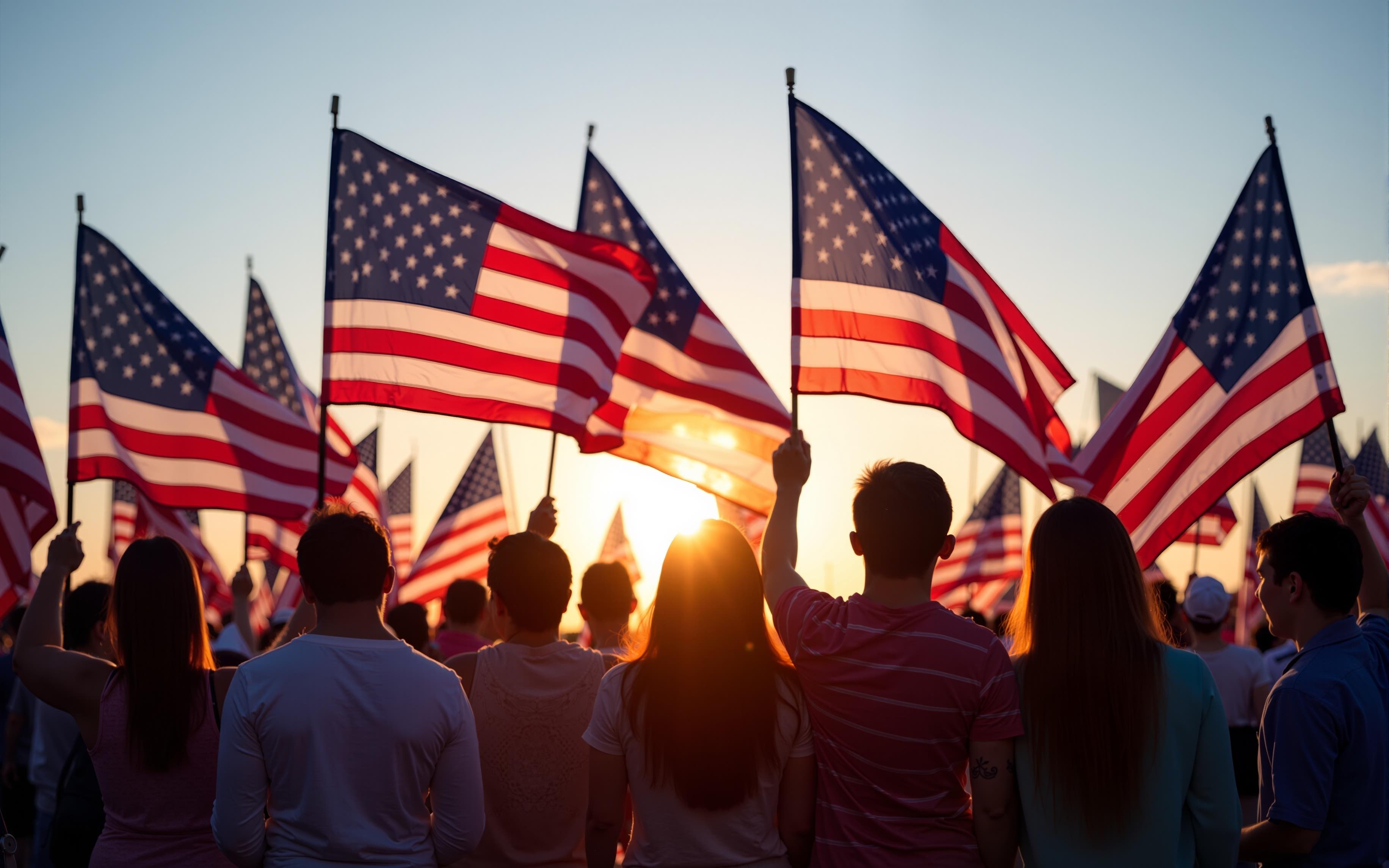
December carries a strange kind of electricity in America. The month is wrapped in celebration, reflection, and a pace that slows only long enough for people to finally look up from their daily grind. Yet beneath the surface of holiday lights and year-end rituals, something else quietly rises: patriotism. Not the fireworks-in-July version, but a deeper, more reflective strain — one tied to memory, sacrifice, and national identity.
Many Americans feel it without ever articulating it. The question is why. Why does patriotism peak in December, a month not traditionally tied to national holidays? And more importantly, what does that feeling actually mean?
The answer lies in the intersection of history, human psychology, and the American story itself.
1. December Is America’s Month of Remembering
The Battle of Trenton (December 1776) — when Washington crossed the icy Delaware and revived a failing revolution.
The Ardennes Offensive, “Battle of the Bulge” (December 1944) — when American troops held the line against overwhelming odds.
The attack on Pearl Harbor (December 7, 1941) — the moment the nation woke up and committed everything to stopping tyranny.
These aren’t just historical footnotes. They are symbols of a nation choosing courage when the world seemed darkest.
2. Winter Slows Us Down — and Slowness Leads to Reflection
Patriotism is not born in noise; it’s born in quiet. December pulls people indoors, reduces distractions, and pushes families together. Calendars may be full of obligations, but they are also full of pauses — long drives, shared meals, year-end reflections, memorial events, charity work.
When life slows down, something essential happens, people remember the things bigger than themselves.
Patriotism requires introspection, and December offers it more naturally than any other month.
3. Holidays Amplify Community and Community Strengthens National Identity
Americans often think of patriotism as a solitary emotion , a hand on a heart during the anthem, a flag hung on a porch. But historically, patriotism was never individualistic. It has always been a community instinct.
In a cultural era where digital divides, political tribalism, and algorithm-driven outrage fragment society, December is the rare month that pushes people back into shared spaces. It re-teaches a fading truth:
4. The Holidays Highlight Sacrifice
While many Americans enjoy December as a time of rest, thousands of others spend it in service:
Soldiers deployed overseas, first responders on 24-hour shifts, law enforcement working holiday patrols, healthcare workers covering critical care units, volunteer organizations serving those in need.
The contrast is unmistakable.
5. Year-End Anxiety Makes People Search for What’s Steady
December doesn’t just bring warm nostalgia; it also brings a spike in uncertainty.
People take stock of finances, health, family stability, career choices — all while being bombarded by news cycles that often paint America as divided, fragile, or in decline. In that emotional landscape, patriotism becomes a stabilizing force. It reminds people that the United States has survived:
Depressions – wars - political turmoil - cultural upheavals – pandemics - technological revolutions.
6. What This Surge of Patriotism Really Means
December patriotism isn’t performative. It isn’t about partisan identity. And it certainly isn’t about blind worship of symbols.
It’s about connection , to the past, to each other, and to a shared destiny.
Above all, it means understanding that citizenship is not seasonal. The feelings that rise in December are reminders, not exceptions — signals of who we’re supposed to be the other eleven months of the year.
The Real Task
If patriotism peaks in December, then the challenge is simple:
Carry it forward.
Carry the gratitude of winter into the noise of spring.
Carry the reflection of dark mornings into the brightness of summer.
Carry the sense of community into moments when community feels hard.
Carry the awareness of sacrifice into the choices you make every day.
Patriotism isn't the flame in December , it’s the discipline of keeping that flame lit long after the cold has passed.