%201.svg)


%201.svg)


Recovery isn’t weakness. It’s strategy. Leaving service doesn’t mean the wear and tear magically stops. It follows you—into civilian life, VA appointments, and long mornings where your body still feels operational. Veterans and first responders don’t struggle because they’re fragile. They struggle because they carried more—physically, mentally, and hormonally—than most people ever will. Biohacking isn’t about vanity or shortcuts. For those who served, it’s about repair, resilience, and regaining control. Peptides deserve a serious, disciplined conversation.
Why Transition Hits the Body Harder Than Anyone Admits
Service trains you to override pain. Civilian life exposes the cost of that habit.
After transition, many veterans and first responders experience:
- chronic joint and soft-tissue pain
- poor sleep and slow recovery
- hormonal disruption
- brain fog and low motivation
- lingering injuries that never fully healed
The system moves slowly. Your body keeps paying interest.
Just Push Through” Eventually Fails
White-knuckling works—until it doesn’t. Ignoring recovery doesn’t make you tougher. It just delays the crash. Real strength is knowing when repair is required.
What Biohacking Actually Means (And What It Doesn’t)
Biohacking has been hijacked by hype. That’s not what this is. Real biohacking is structured, intentional, and data-driven. It asks one question: How do I support a system that’s been under load for years?
This Isn’t Cheating
It’s maintenance. Sleep. Inflammation. Hormones. Cognition. Biohacking doesn’t replace discipline. It preserves it.
Why Peptides Deserve Serious Attention
Peptides aren’t magic. They’re signals. They tell the body to repair tissue, regulate inflammation, and restore balance more efficiently. For veterans and first responders, this matters because recovery windows shrink with age and cumulative stress.
Peptides That Support Recovery
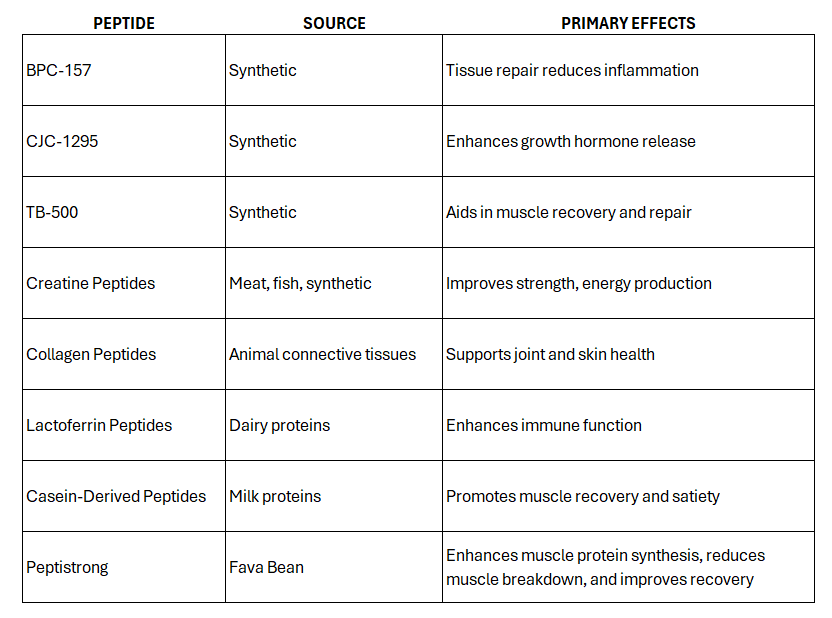
Some peptides commonly used in recovery-focused protocols include:
- BPC-157 – supports soft tissue, joint, and gut repair; often used for lingering injuries
- TB-500 (Thymosin Beta-4 fragment) – supports muscle recovery, mobility, and inflammation control
- GHK-Cu – involved in tissue repair, skin integrity, and anti-inflammatory signaling
- Ipamorelin / CJC-1295 (no DAC) – support growth hormone release, sleep quality, and recovery without overstimulation
These aren’t about performance enhancement. They’re about restoring what constant stress depleted. That’s readiness, not indulgence. Always consult with a doctor before trying anything new.
The Mental and Neurological Side of Transition
Transition isn’t just physical. It’s neurological. Structure disappears. Dopamine regulation tanks. Stress hormones stay elevated. That’s why motivation drops and anxiety spikes.
You’re Not Broken—You’re Dysregulated
Certain peptides and recovery protocols support:
- sleep depth
- stress response
- cognitive clarity
- nervous system balance
They don’t replace purpose or discipline. They make rebuilding them possible.
Especially when you’re navigating:
- VA claims
- identity shifts
- career changes
- long timelines with little feedback
Why This Conversation Matters for the Veteran Community
Service culture still glorifies suffering quietly. That mindset has limits. Using tools to recover isn’t weakness. It’s leadership.
Recovery Is a Responsibility
We don’t shame physical therapy. We don’t shame medical devices. We shouldn’t shame biochemical support when it’s used responsibly.
Getting people back to:
- sleeping
- training
- parenting
- thinking clearly
strengthens families and communities. That’s the mission.
Preparedness Isn’t Just External
Readiness isn’t only about what you can do. It’s about how fast you recover after stress. A regulated body thinks clearly. A rested nervous system reacts appropriately. That’s how good decisions are made under pressure.
The Bottom Line
Biohacking—especially peptides—isn’t about optimization culture. It’s about repair after service takes its toll. For veterans and first responders, recovery isn’t optional. It’s foundational. Used responsibly, peptides can be one tool—among many—for rebuilding strength, stability, and resilience after transition. That’s not soft. That’s smart. If this is a conversation worth having in the veteran or first responder space, share it with someone who’s still being told to “just deal with it.”
Instagram: @theritterhousesarah