%201.svg)


%201.svg)




Lessons From the Greatest Generation
The Greatest Generation did not stumble into greatness by accident. They possessed something our culture increasingly avoids: the willingness to name good and evil clearly, to accept hardship without resentment, and to build institutions strong enough to defeat genuine threats. They understood that comfort was not a birthright, but a reward earned only after duty was fulfilled and sometimes even deferred indefinitely in the service of survival.
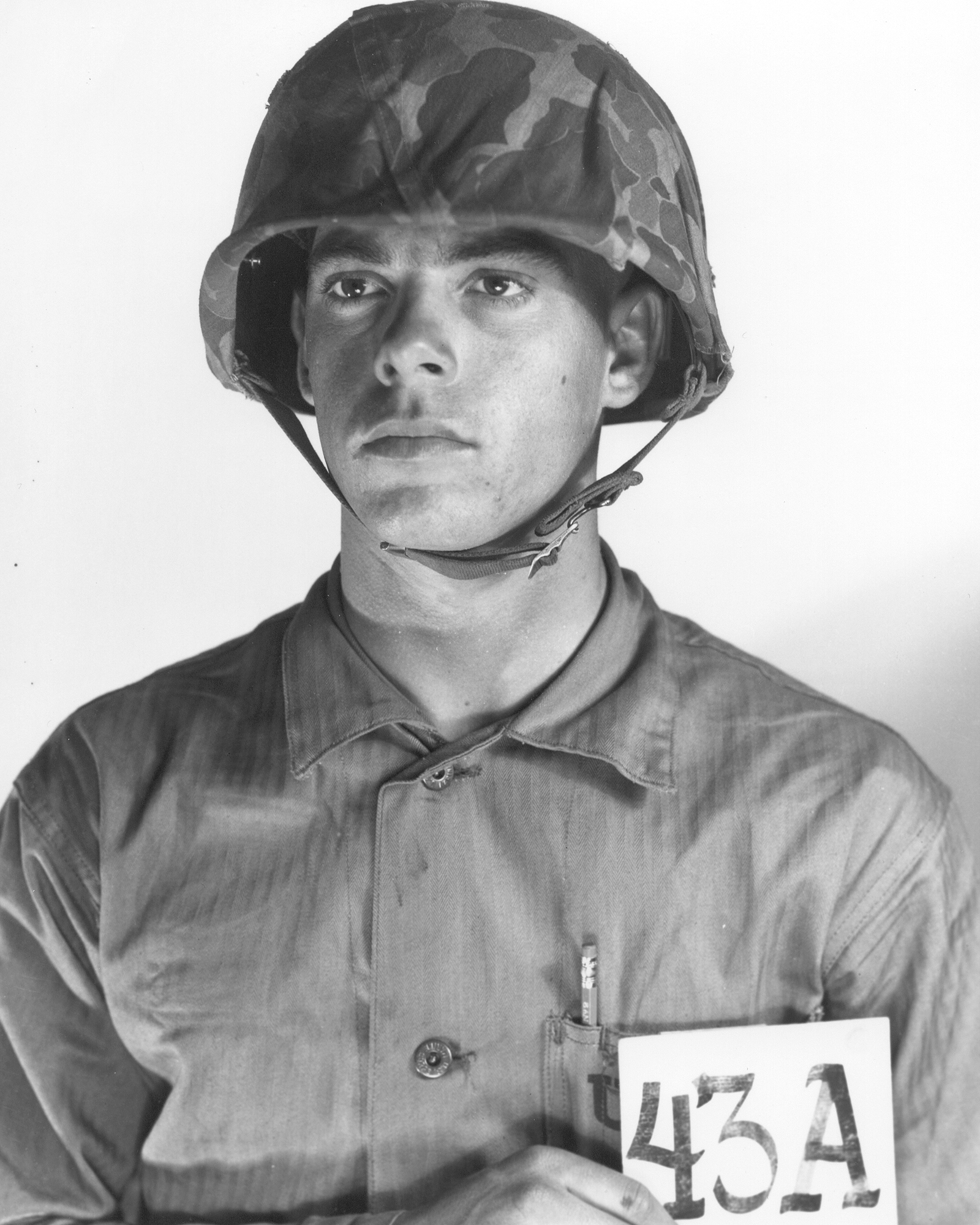
During World War II, young men lied about their ages to enlist. Families accepted rationing, blackouts, and loss without demanding constant reassurance. Soldiers crossed oceans knowing they might not return. This was not because they were uniquely bloodthirsty or naïve, but because they correctly believed that some evils must be confronted, some sacrifices must be made, and some forms of strength must be cultivated if a civilization is to endure.
Today, we have inverted those assumptions. Moral clarity has given way to relativism. Serious institutions have been softened in the name of comfort. Masculinity has been treated as a liability rather than a responsibility. In forgetting what the Greatest Generation understood instinctively: that hardship is sometimes necessary, that strength is morally justified, and that comfort must never come first, we have made ourselves fragile in a world that is anything but.
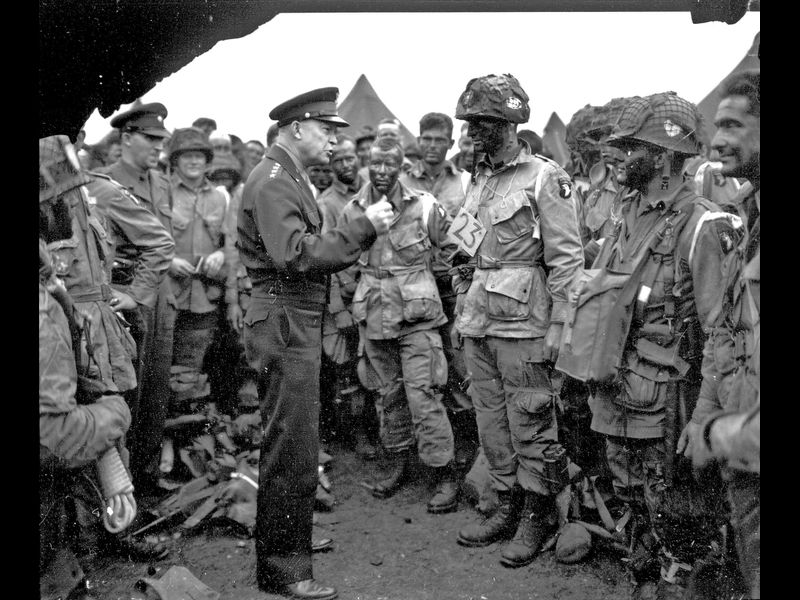
The Greatest Generation was unapologetic about good and evil. That moral clarity led to victory. Boys not even old enough to drive lied about their ages so they could join the military. Soldiers, airmen, sailors, and Marines braved frigid water and almost certain death on the beaches of Normandy. Why? Because in their minds, this was a clear cut battle of good and evil. Nazis and the Imperial Japanese Army were viewed as forces of evil that must be defeated, rather than “people with different cultural norms”. There was no concept of moral equivalence between the aggressors and defenders.
Today, many Americans hesitate to speak in terms of good and evil at all. Modern culture has fallen into the trap of moral relativism. This has gone to such an extreme that some young Americans are now sympathizing with Osama Bin Laden and framing him as a victim of “American imperialism”.
For decades, there has been a masculinity crisis in America. As a woman, it is easy for me to point fingers and complain that there are no real men anymore. The uncomfortable truth is that masculinity is devalued if not punished on an institutional level. In childhood, rough competitions such as dodgeball and tug-o-war are no longer allowed during recess. Grades are inflated to prevent hurt feelings. Normal male energy and aggression are increasingly pathologized rather than disciplined. In college, young men are met with finger wagging sociology professors lecturing about “toxic masculinity”. Traditionally masculine traits such as rugged individualism, competitiveness, and the willingness to protect violently are framed as oppressive and cruel.
The Greatest Generation demonstrates a stark contrast to our inverted society. Those who fought in the second world war were not an elite breed of barbarian, but everyday men. They were mechanics, college students, teachers, and store clerks who rose to the occasion to protect their country from grave evil. They were capable of swift, decisive violence when required. When they returned home, they were loving husbands, doting fathers, and upstanding members of their community. However, they still held the hardness and capability of violence necessary to protect what they love.
It was not just servicemembers, but those on the home front who made sacrifices for victory. When farms and factories went into wartime production mode that resulted in shortages, America enacted a ration system. All-volunteer boards were in charge of enacting this system, and it was seen as a patriotic duty rather than an act of oppression. Women played a tremendous role both on the home front and overseas. College girls took semesters off to become nurse’s aides on the battle front. Full time homemakers joined factory lines to produce wartime equipment. Others served in the military or the OSS– the precursor to the CIA.
Today, making a sacrifice, let alone a sacrifice for one’s country would be considered the highest form of oppression. Simply suggesting that somebody cook their own food or write their own email without resorting to Doordash or ChatGPT will get you called an ableist. Community service is viewed as a punishment rather than an obligation. The concept of anything short of perpetual self-indulgence is lost.
The Greatest Generation was not morally superior by nature, nor were they born harder or braver than the men and women of today. They were formed by a culture that demanded seriousness, rewarded restraint, and understood that peace is neither free nor permanent. Their willingness to sacrifice was not rooted in blind obedience, but in moral clarity–clarity that made hardship intelligible and strength purposeful.
We, by contrast, have built a society that treats discomfort as injustice, aggression as pathology, and sacrifice as exploitation. We have softened institutions meant to produce resilience and devalued the masculine virtues necessary to protect what we claim to cherish. In doing so, we have preserved comfort at the expense of preparedness, and indulgence at the expense of endurance.
History offers a simple lesson: civilizations that refuse to prioritize strength, discipline, and moral order do not remain comfortable for long. The Greatest Generation understood that comfort follows victory. It does not precede it. If we wish to inherit a future worthy of protection, we would do well to remember what they knew, and relearn what we have chosen to forget.